Breastfeeding soreness is a common challenge many new mothers experience, especially during the early weeks after childbirth. Some level of tenderness is considered normal as the body adjusts to milk production and frequent feeding. However, when breastfeeding soreness becomes persistent or increasingly painful, it may signal an underlying issue that needs attention. Conditions such as blocked milk ducts or mastitis can develop if discomfort is ignored.
In fact, mastitis affects an estimated 10% of breastfeeding women globally. Understanding what’s normal, what’s not, and when to seek professional care can help mothers continue breastfeeding comfortably and confidently.
How Long Does Breastfeeding Soreness Last?
For most mothers, mild breastfeeding soreness is temporary and typically improves within the first one to two weeks as both mother and baby become more comfortable with feeding techniques. This early sensitivity is often linked to frequent feeding and skin adaptation. However, ongoing breastfeeding pain that lasts beyond this initial period is not something to ignore.
Persistent pain, especially when accompanied by flu-like symptoms such as chills, shivering, or fever, may indicate mastitis. Unlike short-term tenderness, this type of pain does not resolve on its own and often worsens without treatment. Recognizing the difference between normal adjustment discomfort and longer-lasting pain is key to protecting both maternal health and breastfeeding success.
Common Causes of Breast Pain After Pregnancy
There are several reasons why mothers experience breast pain after pregnancy or breast pain after breastfeeding.
- Blocked Milk Ducts
One of the most common causes is blocked milk ducts, which occur when milk is not fully drained from the breast. This can lead to localized tenderness and swelling.
- Changes in Feeding Patterns and Mechanical Factors
Suddenly stopping breastfeeding or reducing feeding frequency can contribute to pain, as milk builds up faster than it is released. Mechanical factors play a role as well. Wearing an overly tight bra can compress breast tissue, while babies with tongue-tie may struggle to latch effectively, causing inefficient milk removal and nipple strain.
- Signs of Infection or Inflammation
More serious warning signs include lumpy or hard, engorged tissue, warmth, or visible red streaks on the skin. These symptoms may suggest infection or inflammation and should be assessed promptly to prevent complications such as mastitis.
Why Is the Breast Engorged After Pumping?
Many mothers are surprised to find their breasts are still engorged after pumping even though pumping is meant to relieve fullness. Engorgement happens when milk production exceeds drainage, leading to symptoms such as tightness, tenderness, hardness, and redness.
This can occur if pumping sessions are too short, infrequent, or if certain areas of the breast are not fully emptied. When milk remains trapped, blocked ducts can form, increasing the risk of mastitis. If engorgement persists despite regular pumping, professional intervention may be needed to restore proper milk flow and prevent further discomfort or infection.
Effective Breastfeeding Treatment and Physiotherapy
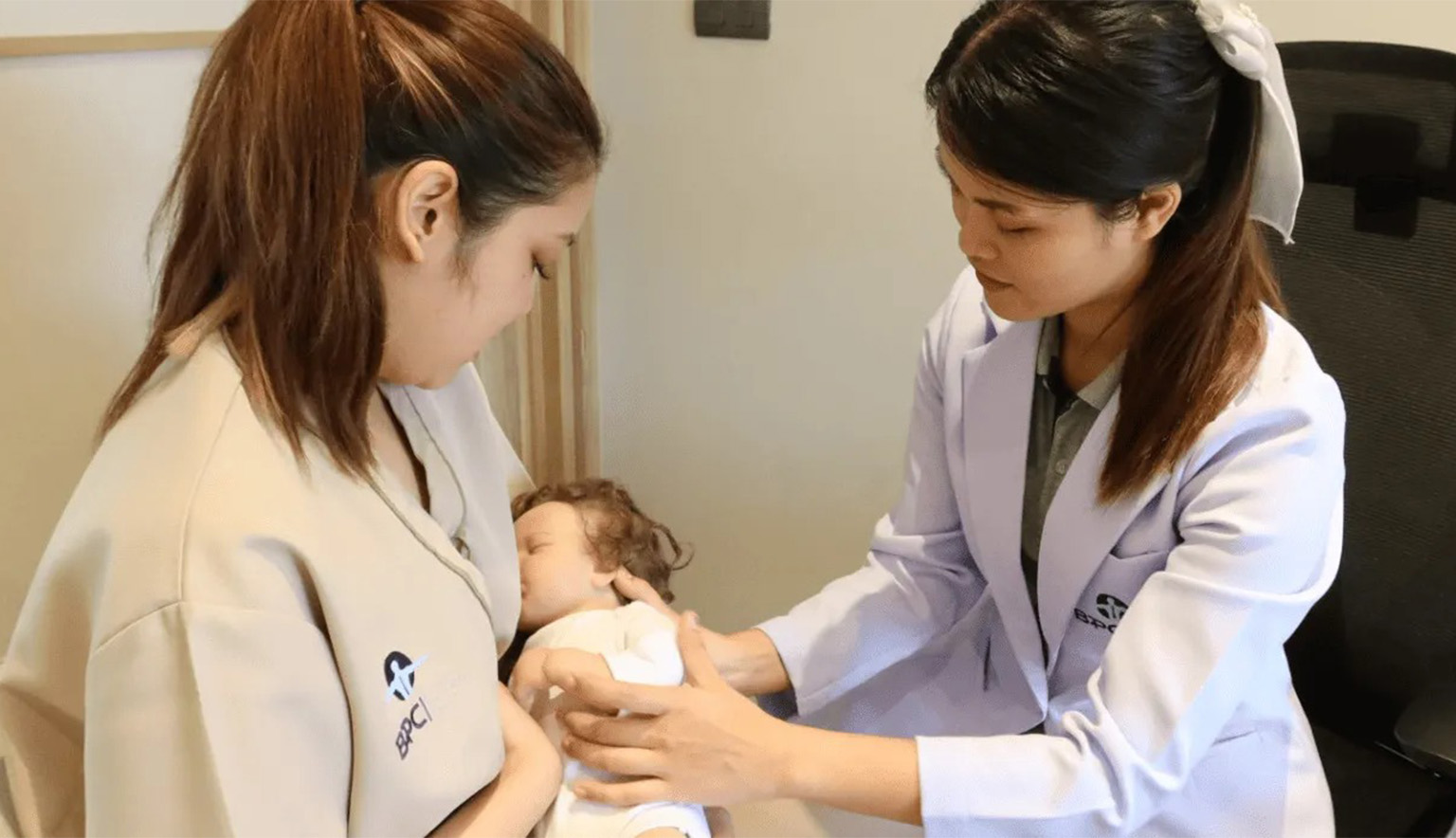
Appropriate breastfeeding treatment can make a significant difference in managing pain and preventing complications. Physiotherapists who specialize in women’s health play a vital role in supporting breastfeeding mothers through targeted, non-invasive care.
One effective approach is therapeutic ultrasound, which helps relieve blocked ducts, reduce inflammation, and ease pain by improving circulation within breast tissue. Gentle, hands-on massage techniques are also commonly used to enhance milk flow and support proper drainage.
Early intervention is crucial. When addressed promptly, conditions such as mastitis are highly treatable, allowing mothers to continue breastfeeding safely and comfortably. If you’re experiencing ongoing breastfeeding discomfort, seeking professional support can help resolve the issue before it escalates.
If symptoms persist or you’re unsure about the cause of your pain, don’t hesitate to reach out to a qualified physiotherapist. Contact us to book an appointment today.
FAQs
Can physiotherapy help with breastfeeding pain?
Yes. Physiotherapy can effectively reduce breastfeeding pain through techniques such as therapeutic ultrasound and gentle massage, which improve milk drainage and reduce inflammation.
What are the signs of mastitis?
Mastitis is an inflammatory condition of the breast that can develop when milk flow is restricted or when an infection occurs. Common signs and symptoms include:
- Persistent or worsening breast pain
- Redness, warmth, or swelling in a specific area of the breast
- Hard or lumpy breast tissue
- Fever, chills, or flu-like symptoms such as body aches and fatigue
Because mastitis can progress quickly, early recognition and treatment are essential. Prompt care can reduce pain, prevent complications, and help mothers continue breastfeeding safely.
Why do I have breast pain after breastfeeding?
Breast pain after breastfeeding can result from blocked ducts, incomplete milk drainage, latch issues, or mechanical pressure such as tight clothing. A professional assessment can help identify the exact cause.