
If you work a desk job, there’s a high chance your shoulders are tight, your neck is stiff, and your lower back is strained beyond the help of a light stretch. This collection of symptoms is often called office syndrome, and it can take a serious toll on both your physical and mental health.
You might have already started scheduling weekly massages, only to find that the relief is temporary and the stiffness quickly returns. To prevent long-term damage, it’s crucial to understand why this happens and find sustainable ways to manage it.
What Is Office Syndrome and Why Is It So Common?
Office syndrome is common among desk workers due to a highly sedentary lifestyle. When you sit all day, your body is forced into an unnatural posture, causing certain muscles to overcompensate and tighten, which ultimately leads to chronic aches and pain.
Additionally, the constant motion of typing or using a mouse can cause repetitive strain injuries (RSIs) in your tendons and nerves.
We understand that these habits are non-negotiable for your job, which is why it’s essential to learn how this condition develops over time so you can be proactive.
How Office Syndrome Develops Over Time
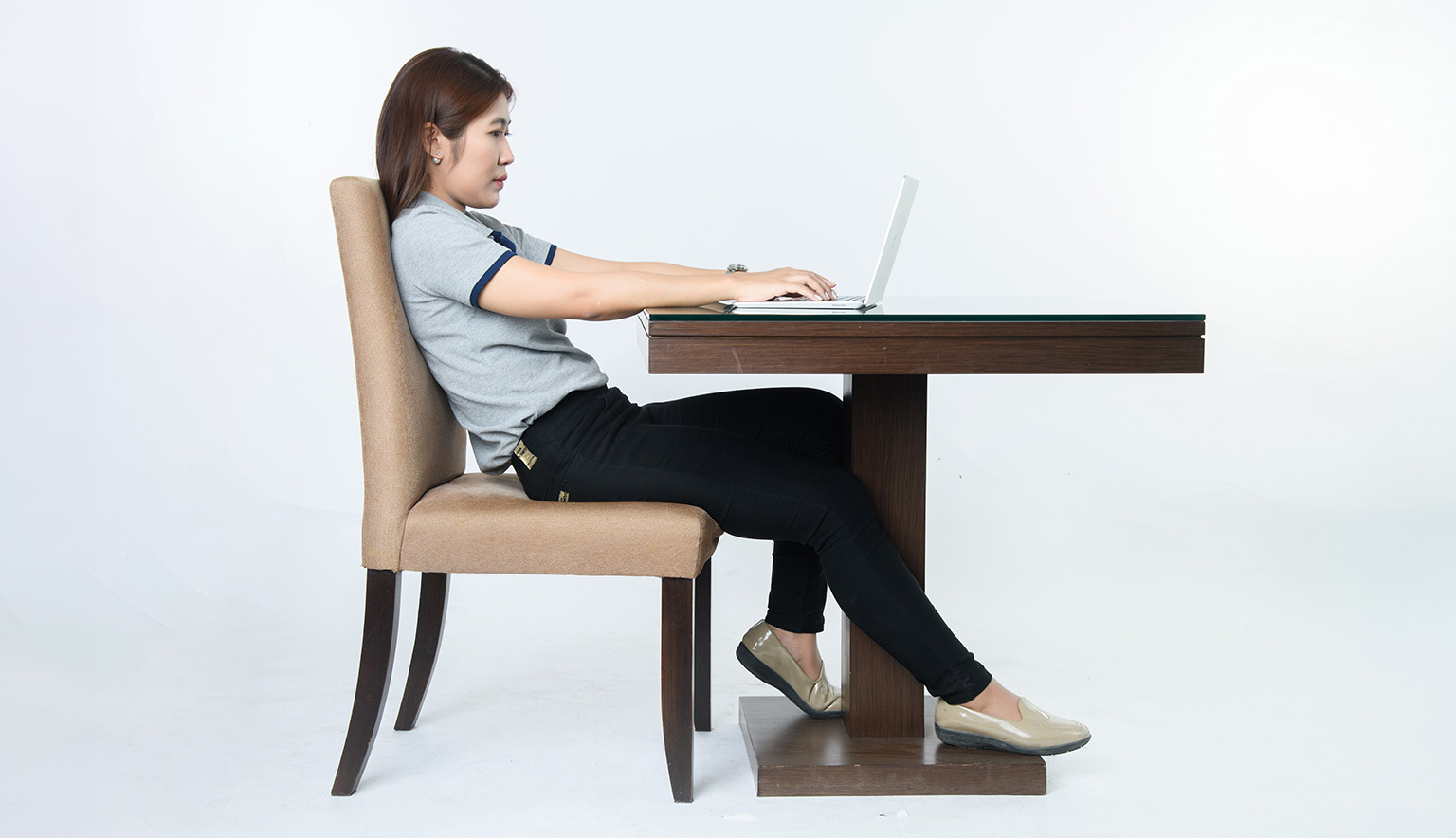
Prolonged sitting is one of the single biggest contributors to back, neck, and shoulder pain. It’s all too easy to find yourself glued to your desk for three or four hours at a time without a break and more often than not, slouched in poor posture. This is precisely how office syndrome creeps up on you without your knowledge.
Why The Pain Returns
So, why do the aches keep coming back just as you find relief? There are several reasons why this discomfort remains despite your efforts, including:
- Treating Only the Symptoms, Not the Root Cause
Massages and pain relievers offer fantastic temporary relief, but they only target tight muscles rather than the actual source of the problem.
- Poor Daily Habits That Continue to Trigger Strain
Returning to a poorly set-up desk, slouching, or sitting for hours without a break simply restarts the cycle of damage every Monday morning
- Weak Muscles and Limited Mobility
Hours of sitting cause your core and upper back muscles to weaken, leaving your body without the strength to maintain proper alignment.
How to Prevent Office Syndrome from Returning
Office syndrome pain can be incredibly frustrating, especially when constant discomfort starts to feel like your new norm. You might not even remember the last time your lower back didn’t feel exhausted.
Below are three ways you can effectively target the root causes:
Improve Your Sitting Posture
Adjust your seating position so your feet rest flat on the floor, your elbows are at a 90-degree angle, and your screen is at eye level. Keeping your spine naturally aligned prevents excessive structural strain on your muscles.
Stretching and Strengthening Exercises
Dedicate a few minutes each day to opening up tight chest muscles and strengthening your upper back and core. Building this muscular support system makes maintaining good posture feel manageable. For more targeted, professional help, we recommend scheduling regular sessions with a physiotherapist.
Build Better Workday Routines
Use a timer to remind yourself to stand up, stretch, or walk around for two minutes every hour. Introducing these regular movement breaks stops physical tension from building up to painful levels.
When Should You Seek Professional Treatment?
Many people wait until the last possible minute, when the pain is severe, before visiting a physiotherapist. However, you don’t have to live with that discomfort. If you have the following symptoms, we recommend seeking professional treatment as soon as you can:
- Symptoms That Continue Despite Rest
When pain persists for more than two to four weeks or starts to disrupt your sleep, it’s time to seek a specialist.
Pain Affecting Work and Daily Activities
If the stiffness makes it difficult to focus at your desk, lift everyday objects, or move comfortably, you should not try to push through it.
How Physiotherapy Helps Treat the Root Cause
Visiting a physiotherapist for office syndrome treatment is one of the most effective ways to experience relief from your pain. At Bangkok Physiotherapy Center, we will help you address the root causes of your discomfort by correcting postural imbalances, restoring joint mobility, and designing a recovery plan tailored to you.
Office syndrome rarely goes away on its own, and it can worsen over time if left untreated while you continue your workday with the same daily habits. Don’t wait until the pain becomes unmanageable, and contact us today to make your appointment.
FAQs
Can office syndrome become chronic?
Yes. If ignored, the prolonged muscle imbalances and repetitive strain will eventually lead to structural changes, such as spinal misalignment, chronic nerve compression, or herniated discs.
Is massage enough to treat office syndrome?
No. While a massage is excellent for temporary pain relief, it only relaxes tight muscles without fixing the weak core, stiff joints, or poor desk habits that caused the tension in the first place.
Does working from home increase office syndrome risk?
Often, yes. Working from home frequently involves non-ergonomic setups, like working from a couch, bed, or dining chair, combined with fewer natural boundaries, which leads to longer hours of uninterrupted sitting.