

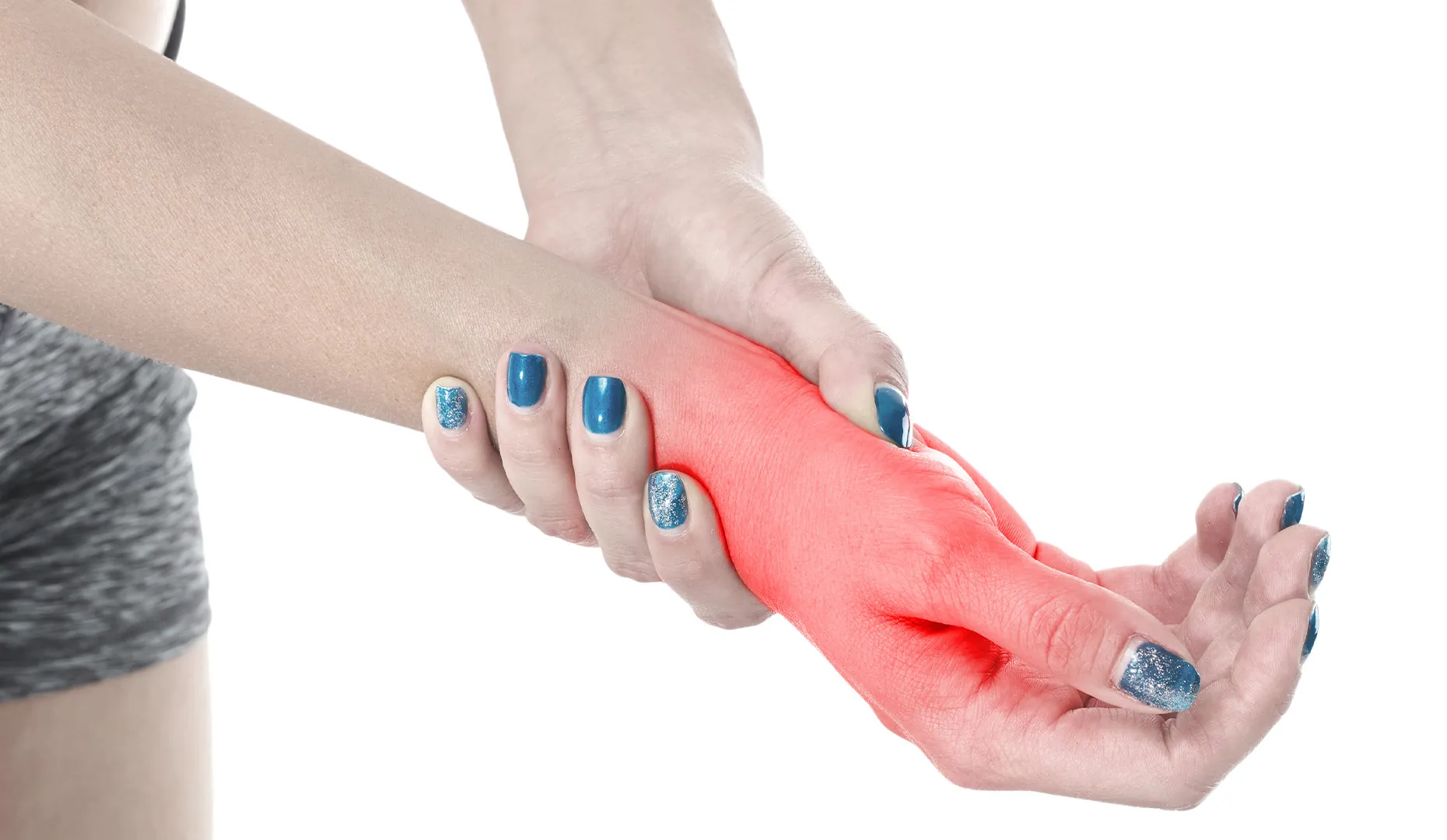
Do you feel tingling, numbness, or a constant ache in your hand and fingers? These symptoms, often stemming from pressure within the wrist, can be incredibly unsettling, but they are part of a health condition many people struggle with.
Carpal wrist pain can affect your daily life in many ways. We’re constantly using our wrists, whether we realize it or not. Take the time to reflect on your day: are you regularly typing on a computer at work or cooking your own meals? These activities inevitably require you to use your wrists.
If you are experiencing symptoms such as discomfort or numbness in your wrists, rest assured that help is available. Our specialized physiotherapists are here to help you understand the potential causes and what you can do moving forward.
Understanding Wrist Pain and Its Causes
Our wrists are extremely vulnerable to overuse and injuries. Below, we’ll explore some of the most common causes of wrist pain.
- Repetitive use
Simply driving for too long, texting, and playing sports can have a debilitating effect on your wrists. These repetitive motions over a prolonged period can lead to inflammation in the tendons, muscles, and nerves.
- Sudden impacts
Think of the last time you fell over. Did you collapse to the ground, or was your instinctive reaction to put your hand out to brace yourself? Many people follow their instincts. This sudden force can stretch or tear the ligaments supporting the wrist, causing a sprain or fracture.
- Carpal tunnel syndrome
Did you know that your median nerve is responsible for motor control and bringing sensations to your forearm, wrist, hand, thumb, and fingers? It plays a huge role in your wrist function. However, when there’s pressure placed on this nerve, caused by acute injuries, repetitive motions, or inflammation, to name a few, you can develop a condition called carpal tunnel syndrome.
- Tendonitis
Tendonitis can be caused by a multitude of things, including overusing your wrists, sudden injury, or even improper form. This condition can develop over a period of time and occurs due to inflammation in your tendons.
Key Principles of Self-Guided Therapy
We understand that wrist joint pain can feel frustrating, especially when it hinders your ability to participate in activities you once enjoyed. However, with the right approach, recovery is entirely possible.
If you’re experiencing pain from an acute injury, the RICE method is a fundamental first step in the early stages to help reduce swelling and pain.
- Rest
It’s important to avoid using your wrists when dealing with an injury to allow time for your tendons and muscles to heal.
- Ice
To reduce pain and swelling, apply a cold pack or ice wrapped in a thin towel to your wrist for 15-20 minutes at a time, several times a day. Never apply ice directly to the skin.
- Compression
Gently wrap your wrist with an elastic compression bandage. The wrap should be snug but not tight enough to cause numbness, tingling, or increased pain. The goal of compression is to help control swelling, not to cut off circulation.
- Elevation
Whenever possible, elevate your injured wrist above the level of your heart. You can do this by resting your arm on a pillow when sitting or lying down.
This method is most effective within the first 24 to 72 hours following an injury and is a standard first-aid treatment that can be done safely at home.
Exercises for Strength and Flexibility
Many people neglect their wrist strength and flexibility, even though it’s absolutely crucial for daily function. We’ll go to the gym to work on our chest, shoulders, and legs, but we hardly ever consider our wrists.
A weak wrist is an easy target for strains, tendinitis, and carpal tunnel syndrome, which often results in having to seek physiotherapy.
We’ve put together some simple exercises you can do at home to build strength in your wrists.
- Wrist Flexor Stretch
To perform this stretch, extend one arm in front of you with your palm facing up. With your other hand, gently bend your wrist, pointing your fingers down towards the floor. Continue to pull your fingers gently towards your body until you feel a mild to moderate stretch. Hold this position for 15 to 30 seconds and then repeat on your other hand. - Wrist Extensor Stretch
Begin by extending one arm in front of you with your palm facing down. Using your other hand, gently press down on the back of your extended hand to bend the wrist. Continue pressing until you feel a mild to moderate stretch on the top of your forearm. Hold the stretch for 15 to 30 seconds, and make sure you repeat on the other arm to ensure balance and prevent muscle imbalances.
- Grip Strengthening with a Stress Ball
For grip strengthening, hold a stress ball or a soft tennis ball in your hand. Squeeze the ball firmly for three to five seconds and then slowly relax your grip. Repeat this exercise 10 times before switching to your other hand. As your wrist becomes stronger, you can gradually increase the number of repetitions.
When to Consult a Professional
Pain in your wrist joint isn’t normal; it’s an indication that something is wrong and needs attention.
Fortunately, many causes of wrist pain can be treated at home. Whether it’s through exercise, over-the-counter medication, or the RICE method, it’s essential that you take care of yourself and rest when it’s necessary.
Ignoring the pain or trying to push through it is not the right approach and can significantly delay your recovery. On the other hand, if your pain continues to worsen after a few days or you suspect a case of carpal tunnel syndrome, we recommend seeking professional help at a physiotherapy clinic.
At Bangkok Physiotherapy Center, our passionate team in Bangkok is fully equipped and ready to support your recovery. We understand that the journey is personal and tailor our approach to your specific needs. Contact us to make an appointment today.