Receiving an ACL tear diagnosis is an overwhelming and uncertain experience. One moment you’re enjoying a sport you love, and the next you’re experiencing severe pain in the knee joint. It’s a significant setback nobody prepares you for, which immediately leads to one crucial question: What is the right ACL treatment?
While many people associate an ACL injury with surgery, it’s not the only option. Before making a decision, it’s essential to get your knee properly evaluated to understand the extent of the injury and discuss all potential treatment options.
Understanding ACL Injuries and Non-Surgical Treatment Options
The Anterior Cruciate Ligament (ACL) is a key stabiliser inside your knee, connecting your thighbone to your shinbone. When it tears, you may feel a ‘pop’ followed by swelling and a feeling of your knee ‘giving out.’
So, how does it occur? An ACL injury often involves a sudden change of direction, abruptly stopping, pivoting, or landing awkwardly from a jump. These injuries are common for athletes due to the high-stress movements that put immense pressure on the ligament.
Understanding your specific injury is the first step in deciding whether a surgical or non-surgical path is right for you.
When Physical Therapy is the Right Choice for ACL Recovery
Physical therapy is necessary for every ACL treatment, but its role changes depending on the path you take.
If you have surgery, physical therapy is about post-operative recovery, where you focus on strengthening your muscles, restoring mobility, and reducing any inflammation that follows.
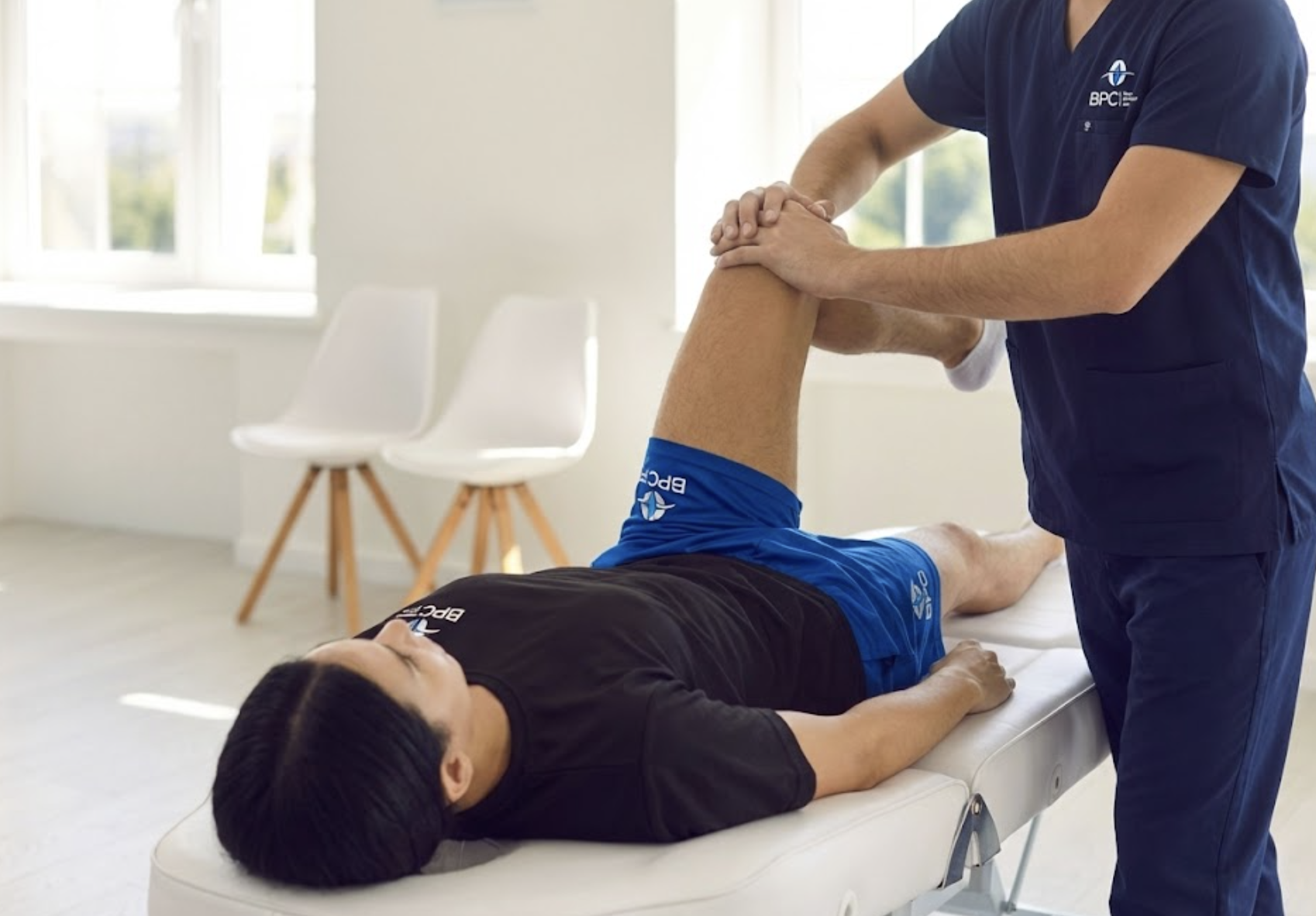
But in a non-surgical route, physical therapy isn’t after the treatment – it is the treatment.
The goal here is not to heal the ligament, but to compensate for the torn ligament by strengthening the surrounding muscles.
This non-surgical approach is often the best fit for:
- Individuals with partial ACL tears rather than a complete rupture.
- Those who don’t play high-impact or “cutting” sports (like soccer, basketball, or skiing).
- Individuals who can regain full knee stability through rehab alone (sometimes called “copers”).
- Anyone who simply wants to avoid surgery and its associated risks and long recovery time.
Your success truly depends on your level of commitment to ACL physiotherapy. The following techniques set the foundation for this active recovery process, helping you restore function and compensate for the injured ligament.
- Technique #1: Quadriceps and Hamstring Stretching Protocol
The primary goal after an ACL injury is to regain your full range of motion. Gentle, consistent stretching for your quads and hamstrings helps reduce swelling, prevent stiffness, and allows you to fully straighten and bend your knee. This is essential before any real strengthening can begin. - Technique #2: Progressive Strength Training for Leg Muscles
Strength training is the core of non-surgical recovery. A torn ACL can no longer provide the same level of stability as before. By targeting the quadriceps, hamstrings, and glutes, you train these muscles to take over, holding your knee steady during movement. Start with simple exercises like quad sets or leg raises, and then progressively add resistance as you become stronger. - Technique #3: Balance and Proprioception Training
Proprioception training teaches your body how to stay upright and stable, even on uneven ground. When you tear an ACL, you lose this connection between your brain and your knee, making it hard to trust your joint. Exercises like single-leg stands and balancing on unstable surfaces help rebuild this connection. - Technique #4: Functional Movement Rehabilitation
This technique involves re-learning basic movement patterns like squatting, lunging, and jumping with correct form. In this stage, you’re teaching your body how to move, land, and pivot safely using your new muscular strength, which prevents re-injury. - Technique #5: Contrast Therapy (Ice and Heat Treatment)
This technique is all about managing recovery. Ice is used after exercise to reduce swelling and numb pain. Heat is used before stretching to increase blood flow and relax the tight muscles. Using them in contrast helps control inflammation and keeps you on track with your strengthening program.
Common Mistakes and Safety Precautions in ACL Rehab
It’s tempting to push as hard as you can during your ACL injury therapy, hoping to speed up your recovery. But when it comes to building knee strength – the most critical part of your recovery – this approach can easily backfire. Your body needs time to adapt.
To help you find the right balance, here are the most common mistakes and safety precautions.
Common Mistakes
- Doing too much, too soon: Enthusiasm is great, but many people increase their weight or intensity before their body has a chance to adapt. This is the fastest way to cause flare-ups, increase pain, and slow down your overall progress.
- Ignoring signs of pain: There’s a difference between muscle fatigue and joint pain. Pushing through sharp, stabbing pain will only irritate the knee and lead to setbacks.
- Skipping ‘boring’ exercises: It’s common to prioritise heavy, strength-building exercises like leg presses. However, ‘smaller’ drills like stretching, balance, and glute activation are just as critical for building a stable, resilient knee.
- Forgetting form: As you get tired, it’s easy to neglect your form. Poor form puts dangerous stress on your joint and reinforces the exact movement patterns you’re trying to fix.
Safety Precautions
- Always warm up: Make sure you start with 5-10 minutes of light cardio or dynamic stretches to get blood flowing to your muscles.
- Listen to your knee: Notice how your knee responds after exercise. While some soreness is expected, significant swelling or pain the next day means you did too much.
- Prioritise consistency over intensity: It’s far better to do your exercises consistently 5-6 days a week than to perform one painful, high-intensity workout that forces you to take the next few days off.
When to Seek Professional Help and Treatment Options
Choosing a non-surgical path for your ACL treatment is an empowering decision, but it requires a personalised plan.
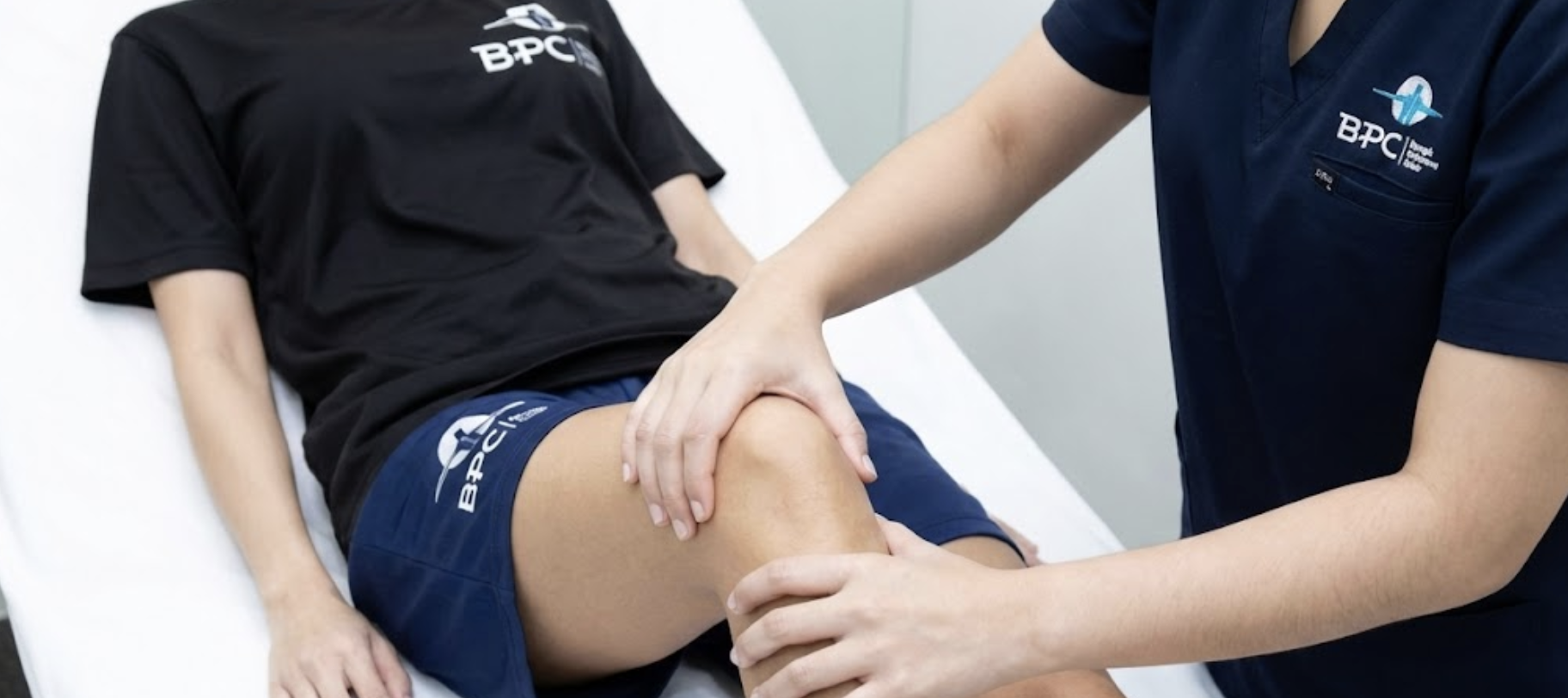
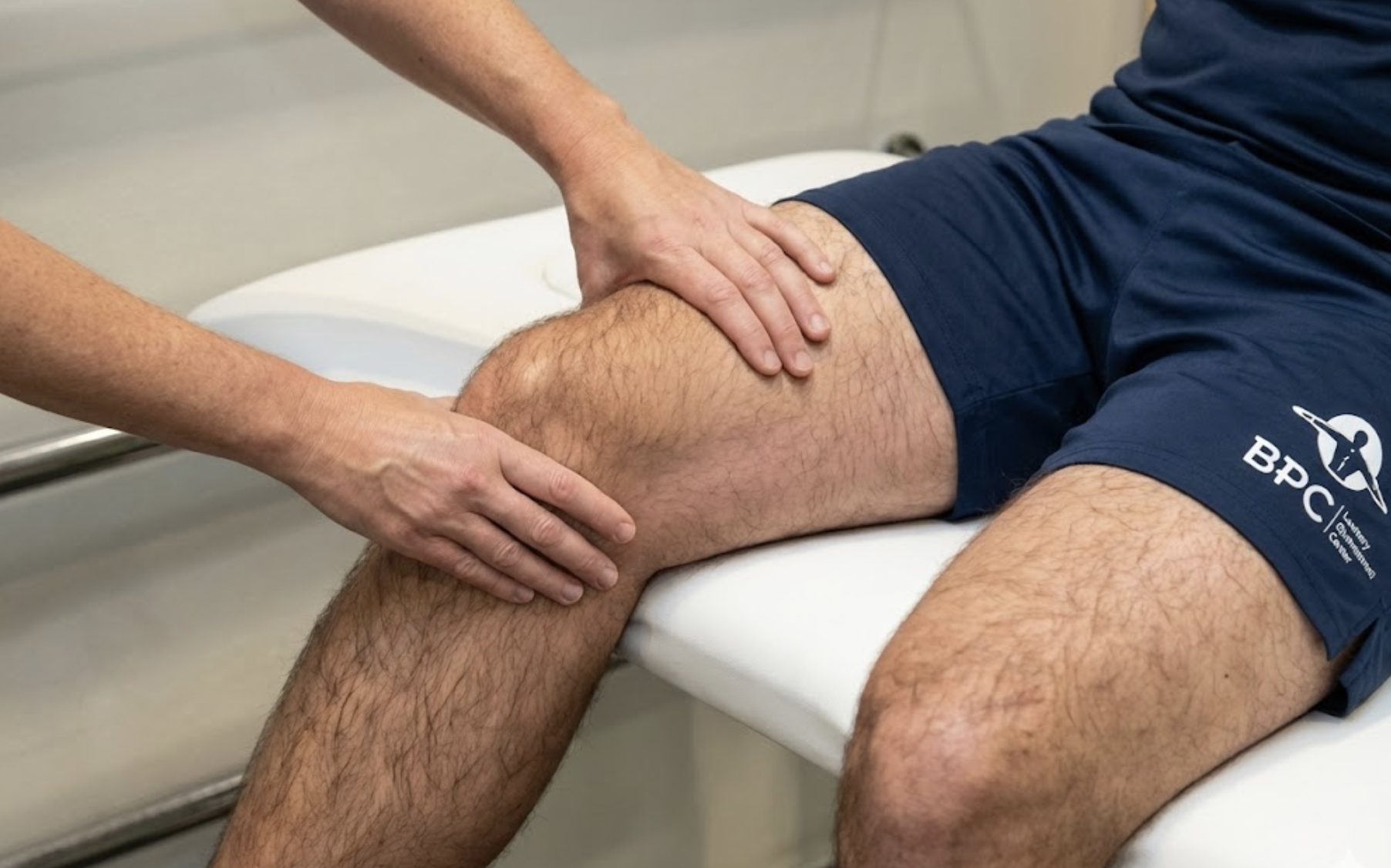
A physiotherapist can assess your unique injury, goals, and movement patterns. They will be the ones to tell you when it’s safe to progress and how to modify these exercises to ensure you’re getting stronger without risking re-injury.
Don’t guess when it comes to your recovery. If you’re ready to gain full mobility and build a strong, stable knee with a plan you can trust, we’re here to help.
Contact us to book your assessment at BPC Physio today!