Pregnancy is a magical time for many. You are carrying a new life who you will come to love unconditionally in a way you didn’t know possible. The joy of that itself is unbridled, but it also comes with its moments of uncertainty and discomfort.
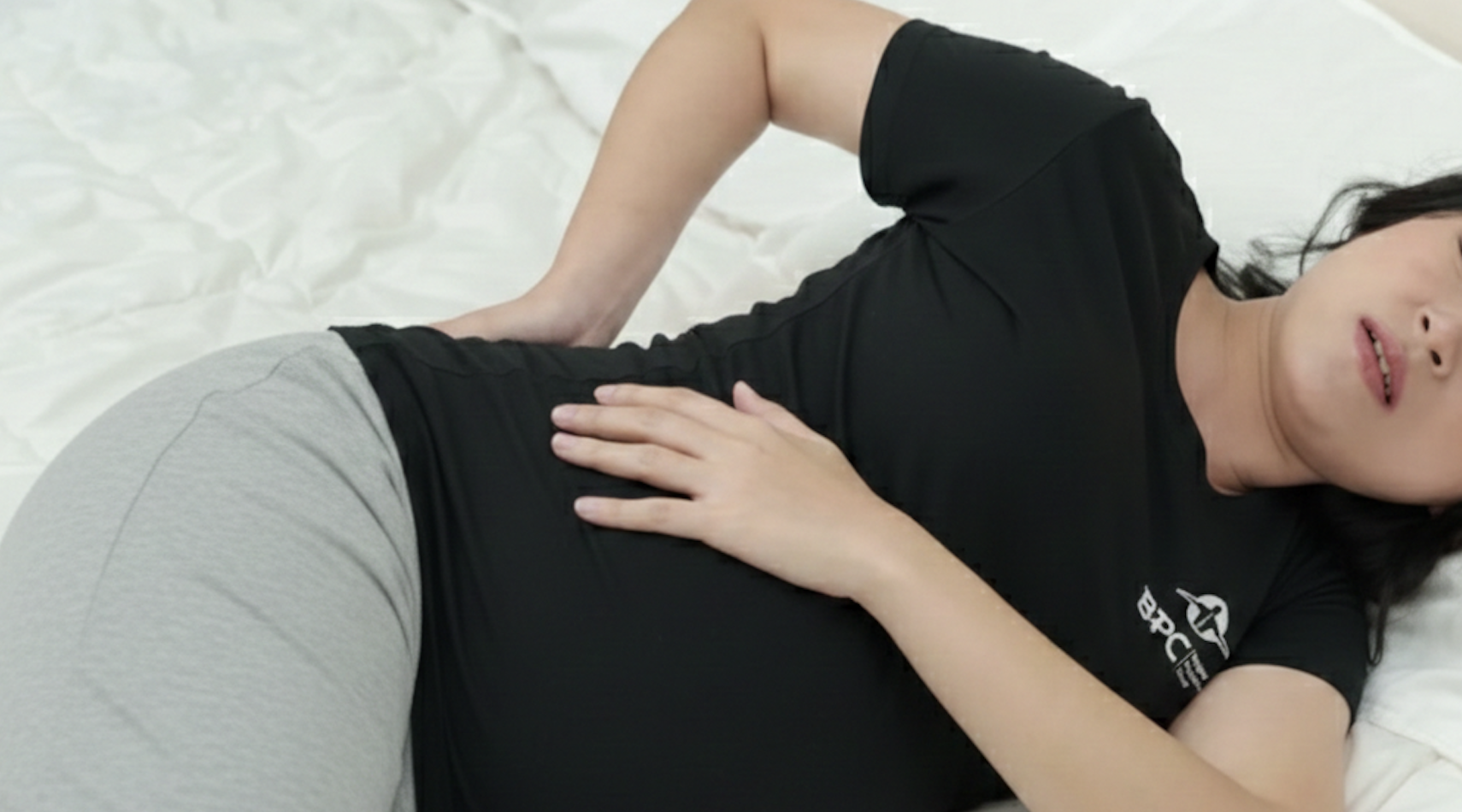
Your body is undergoing significant changes during this time. If you’re experiencing lower back cramps in early pregnancy, we want to reassure you that these are common symptoms, and you absolutely don’t need to stress.
Let’s take a closer look at what might be happening here.
The Root Cause: Why Lower Back Cramping Happens in Early Pregnancy
During pregnancy, it’s normal to fret at every new sensation and discomfort, wondering if something is wrong. The urge to visit your doctor is incredibly strong. However, lower back pain during pregnancy is more common than you think, and understanding the root cause can alleviate some of that uncertainty.
Here are some key reasons why lower back pain occurs during pregnancy:
- Hormonal Changes: To prepare for childbirth, your body releases hormones like relaxin and progesterone to loosen the ligaments and joints in your pelvis. This necessary loosening can reduce stability in your lower back and cause pain.
- Changes to Your Center of Gravity and Posture: As your baby and uterus grow, your body inevitably gains weight, shifting your center of gravity forward. To compensate, you may unconsciously lean backward, which can overload the muscles in your lower back and cause discomfort.
- Uterine Growth and Stretching: Back pain can occur when your uterus begins to expand to accommodate the pregnancy. This rapid growth also puts added pressure on blood vessels and nerves near the spine.
- Stress: Stress can cause muscle tension, which often accumulates in the back, leading to or intensifying muscle spasms and pain.
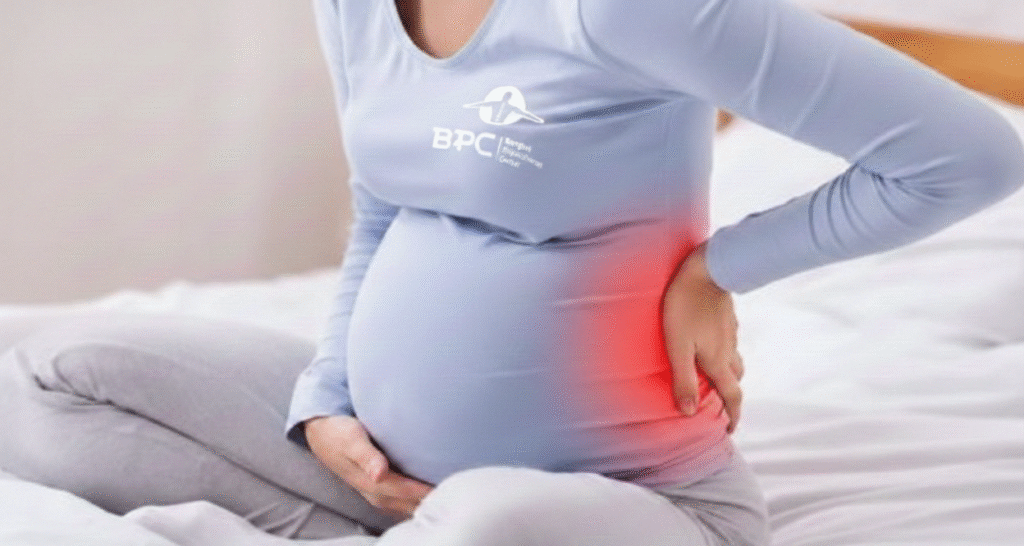
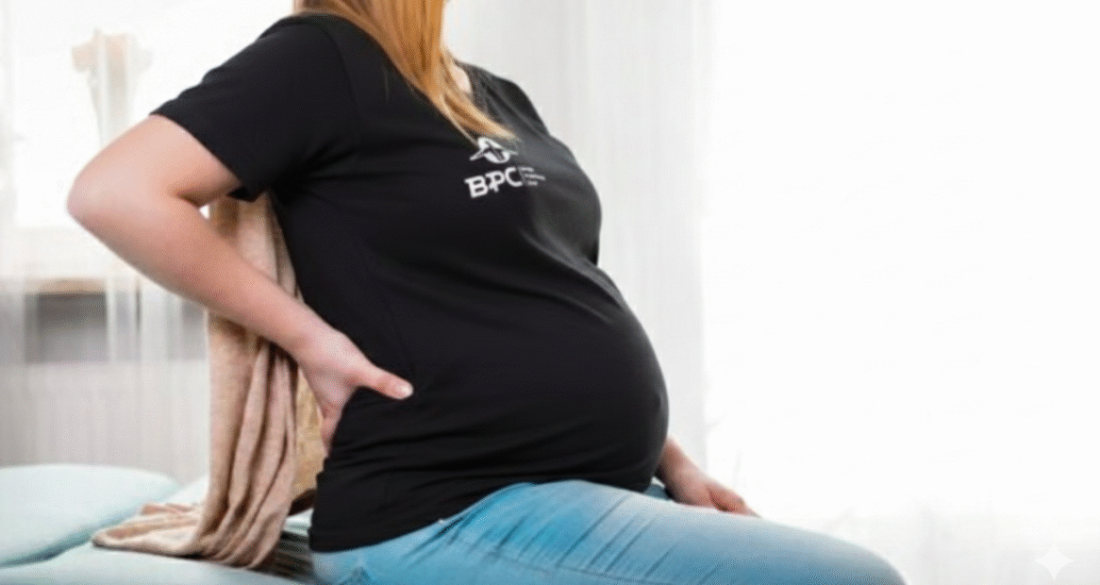
Is This Normal? Distinguishing Normal Discomfort from Red Flags
Now that you know lower back pain during pregnancy is expected, it’s essential to understand how that feels for your body. There are some cases when pain acts as a clear indicator to visit your doctor, especially if the pain is severe or accompanied by other symptoms.
Below are symptoms that require you to contact your healthcare provider immediately:
- Rhythmic Back Pain: The pain is cyclical or comes in regular waves, similar to contractions.
- Vaginal Bleeding: Any spotting or bleeding, especially when occurring with pain.
- Intense, Sudden Pain: Sharp or debilitating pain that prevents you from performing normal activities.
- Burning During Urination: Pain or discomfort when you urinate.
- Fever or Chills: These are signs of a systemic infection.
- Loss of Sensation: Sudden numbness, tingling, or weakness originating in the back and radiating down the legs.
Immediate & Safe Relief: Home Strategies for Early Pregnancy Cramps
If you are experiencing lower back cramping and discomfort, several safe home strategies can provide immediate relief to your body and peace of mind.
- Apply Warmth: Use a heating pad on a low setting or a warm water bottle on the aching area for up to 15-20 minutes at a time. For your safety, avoid placing heat directly on your abdomen.
- Gentle Stretching and Movement: Engage in light activities like walking or performing pelvic tilts (the cat-cow yoga pose). These movements can release stiffness and mobilize the spine.
- Proper Lifting Technique: When lifting anything, squat down and lift with your legs, keeping the object close to your body. It’s crucial to avoid bending over at the waist to lift.
- Sleep on Your Side: Sleep on your side with a pillow tucked between your knees. This keeps your spine neutral and takes pressure off your lower back and hips.
When to Call a Physiotherapist: A Non-Invasive, Expert Solution
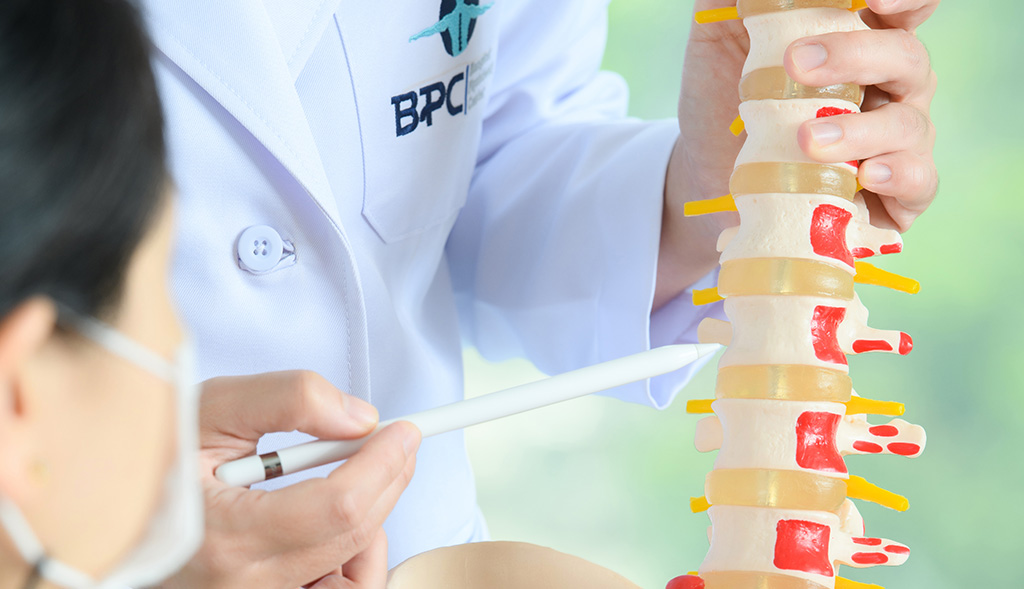
Seeing a physiotherapist can ease your symptoms and reduce back pain during pregnancy.
We recommend consulting a physiotherapist if you are experiencing pain that is chronic or severe and not relieved by common home remedies, or if the pain affects your ability to perform day-to-day activities.
You should also seek a physiotherapist if the pain involves sciatica, which is felt as pain, tingling, or numbness that shoots from your lower back down to your legs. This sensation can indicate nerve compression that requires specialized treatment.

Prevention is Better Than Cure: Postural and Lifestyle Adjustments
The ideal scenario is to minimize lower back cramps during pregnancy before you reach the point of discomfort. Fortunately, there are lifestyle modifications you can make to ensure you stay as comfortable as possible.
- Mind Your Posture: Consciously avoid swaying your back to compensate for belly weight. When sitting for long periods, use a small lumbar pillow behind your lower back to maintain the spine’s natural curve and reduce strain.
- Invest in External Support: Consider investing in a high-quality maternity support belt in the later trimesters. This gentle lift can take pressure off your lower back muscles and ligaments.
- Stay Active: Continue safe, low-impact exercises, such as walking or swimming. Strengthening your core and back muscles provides essential internal support for your body.
- Sleep Alignment: Prioritize rest by always sleeping on your side with pillows placed between your knees and gently supporting your abdomen. This keeps your spine aligned.
Conclusion
We understand the emotional and physical toll pregnancy can have on your body. What should be an exciting and joyful time can quickly be eclipsed by pain and constant concern. However, remember that you don’t have to manage this uncertainty alone.
If you’re experiencing lower back discomfort during pregnancy, our highly qualified team at Bangkok Physiotherapy Center is here to help you. Contact us to make your appointment today!