
Key Takeaway:
- Morning stiffness, long hours of desk work, and sports injuries can severely strain your lower back and limit daily mobility.
- Incorporating five simple exercises, Pelvic Tilts, Cat-Cow, Child’s Pose, Glute Bridges, and Bird-Dogs, helps relieve spinal pressure and strengthen your core at home.
- Always listen to your body, and consult a doctor if you are pregnant or recovering from an injury.
- For specialized back pain therapy treatment in Bangkok, the expert team at Bangkok Physiotherapy Center offers personalized rehabilitation plans to help you move pain-free.
Waking up with lower back pain is a reality many people have to face. When you try to stand up and you feel a tight ache in your spine, it sets a frustrating tone for the rest of your day. But your morning routine doesn’t have to start that way, and it shouldn’t. In fact, knowing the right back pain therapy treatment can ease some of the discomfort you’re facing, and oftentimes, it starts right at home.
You may be experiencing lower back pain from prolonged sitting, or perhaps a sports injury that keeps flaring up. Whatever the case, incorporating gentle stretching into your routine can make a noticeable difference.
Why Lower Back Pain Can Be Debilitating and Affect Quality of Life
Chronic back pain makes everyday movements, such as bending, lifting objects, or even carrying groceries to your car, significantly harder. When the pain suddenly spikes, it’s easy to feel discouraged and avoid activity altogether.
This not only takes a toll on your physical health, but lack of movement can affect your mental well-being and overall independence. Fortunately, taking just a few minutes a day to perform simple, targeted exercises can help ease muscle pain and restore your mobility.
Here are five easy stretches to help you get started.
Pelvic Tilts
The first stretch to add to your routine is the pelvic tilt, which plays a huge role in stabilizing your lower spine.
To perform a pelvic tilt, lie on your back with your knees bent and feet flat on the floor, about hip-width apart. Exhale as you gently tilt your pelvis upward and press your lower back flat into the ground, engaging your abdominals. Hold for 3 to 5 seconds, return to your natural posture, and repeat 10 to 12 times.
This simple stretch helps strengthen your abdominal muscles, align your spine, and relieve pressure on your lower back.
Cat-Cow
Once your lower back feels more relaxed, transition into the Cat-Cow stretch to loosen your stiff joints.
Start on your hands and knees in a tabletop position with your wrists directly under your shoulders and your knees under your hips. Inhale as you arch your back, dropping your belly toward the floor while lifting your head and tailbone toward the ceiling. As you exhale, round your spine, tucking your chin to your chest and pulling your belly button toward your spine. Alternate between these two movements for 8 to 10 full breaths.
This is one of the most effective stretches you can incorporate into your daily routine for muscle pain relief in your lower back.
Child’s Pose
Now that your spine is moving, Child’s Pose is a great way to ease muscle tension and calm the nervous system.
From your hands and knees, separate your knees slightly, bring your big toes together, and gently sink your hips back toward your heels. Reach your arms out long in front of you, allowing your chest to melt toward the floor and resting your forehead gently on your mat. Focus on slow, deep breaths, letting your lower back expand with every inhale and relax deeper with every exhale.
If it feels comfortable, hold this pose for 20 to 30 seconds for a restorative stretch through your spine, hips, and lower back.
Glute Bridge
Those three stretches will open up your lower back, but the Glute Bridge shifts the focus toward building active support throughout your lower body.
Lie flat on your back with your knees bent, feet flat on the mat, and arms by your sides. Press firmly through your heels and squeeze your glutes as you gently lift your hips toward the ceiling until your shoulders, hips, and knees form a straight line. Pause at the top for a moment, then slowly lower yourself back down. We recommend repeating this for 10 to 12 smooth, controlled repetitions.
The Glute Bridge is crucial because it takes the workload off your lumbar spine and provides long-term support for your lower back.
Bird Dog
To wrap up your stretching routine, the Bird Dog challenges your body to maintain balance while moving, keeping your core activated at all times.
Start on your hands and knees in a tabletop position, with your hands directly under your shoulders and your knees under your hips. Keeping your back flat and your neck in line with your spine, reach your right arm straight forward while extending your left leg straight back until both are parallel to the floor. Pause for a second at full extension while keeping your hips level, then return to the starting position and switch to the opposite arm and leg.
Aim for 8 to 10 controlled repetitions per side to build deep core stability and improve spinal control. This will help protect your lower back from strain during everyday movement.
What To Be Aware of Before Starting
Many people assume muscle pain treatment has to be a lengthy, intimidating process, but often, you can find relief by incorporating simple exercises into your routine, even just for a few minutes a day. As long as you are consistent, there’s no reason you can’t see real progress at home.
That said, it’s vital to pay attention to how your body responds. If you are recovering from a recent sports injury, are currently pregnant, or experience persistent pain at any point, it’s best to consult a healthcare professional or physiotherapist before continuing.
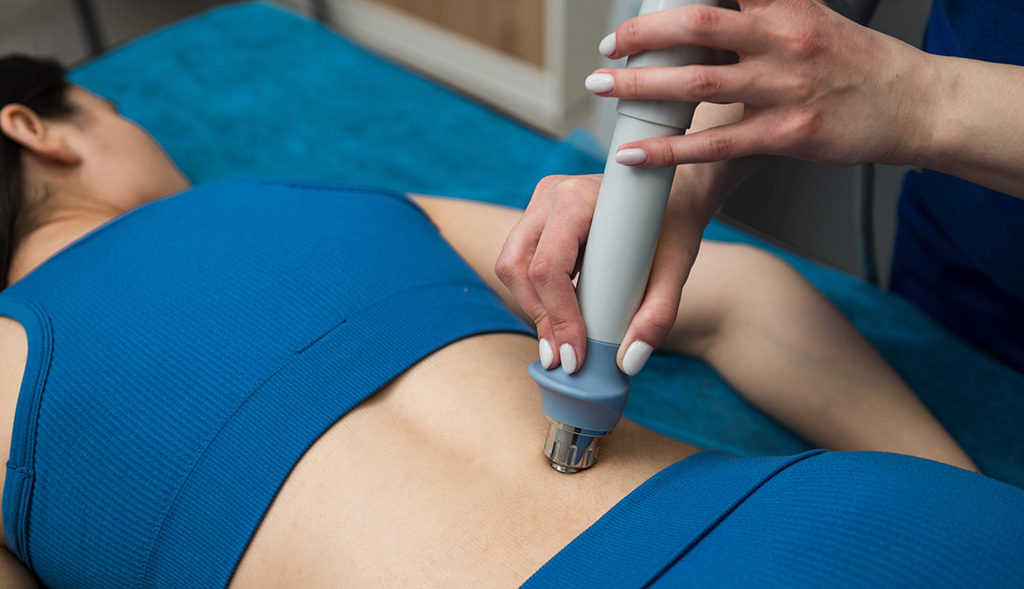
Are you looking for back pain therapy treatment in Bangkok? At Bangkok Physiotherapy Center, our highly qualified team is committed to your well-being. With our new Sanam Pao clinic and our flagship clinic in Sukhumvit 39, we provide personalized care using a combination of manual therapy and modern technology to help you return to your everyday activities with greater comfort.
Contact us today to schedule an appointment today.
FAQs
Is it safe to exercise when my lower back hurts?
Yes, as long as the exercises are gentle and controlled. Movement promotes healing by bringing blood flow to the muscles, but you should avoid sudden movements and stop immediately if you feel sharp or worsening pain.
How long does it take for lower back exercises to show results?
With consistent daily practice, many people feel noticeable relief within 1 to 2 weeks. However, long-term strength and stability typically take a few weeks of regular movement to build.
Can physiotherapy help if home exercises don't improve my lower back pain?
Absolutely. If gentle home exercises don’t bring relief, a physiotherapist can identify the root cause of your pain and create a targeted, hands-on treatment plan tailored specifically to your body.